
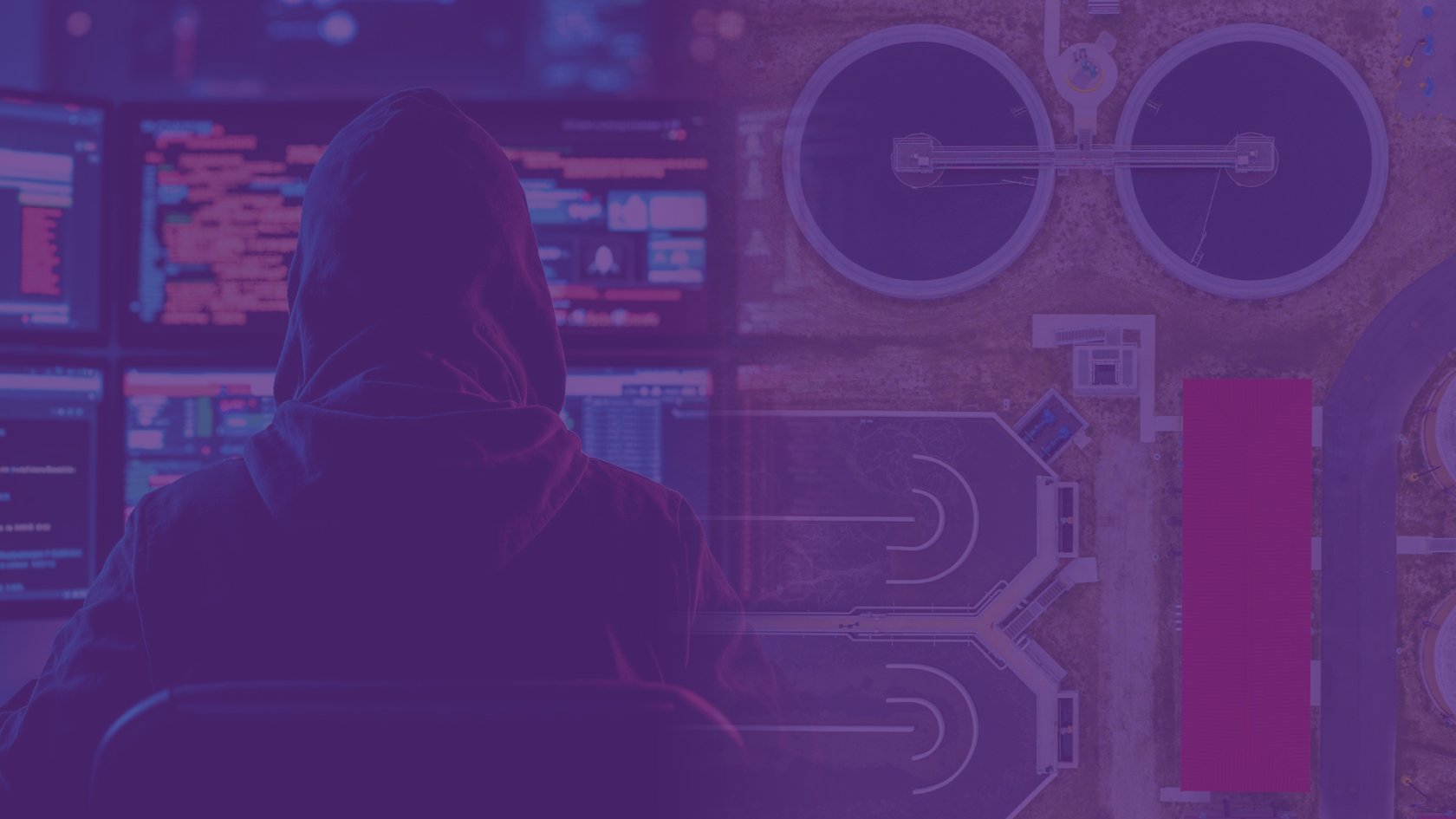
Cybersecurity Is an Operational Imperative for Today’s Water Utilities
Cybersecurity is an essential part of maintaining a reliable, resilient infrastructure. As technology continues to evolve and systems become increasingly connected, regularly evaluating your organization’s cybersecurity posture is an important part of managing operational risk.
For organizations responsible for water, wastewater, transportation, energy, and other essential services, taking a proactive approach to cybersecurity can help strengthen resilience, support business continuity and prepare teams to respond effectively when challenges arise,
Rather than asking whether cyber threats are possible, the better question is whether your organization is prepared to detect, respond to, and recover from them.
Cybersecurity Is No Longer Just an IT Issue
For utilities and infrastructure operators, cybersecurity extends well beyond protecting office computers and business networks.
Operational Technology (OT) systems, including SCADA environments, industrial control systems, and remote monitoring platforms, have become increasingly connected to enterprise networks. That connectivity creates efficiencies, but it also expands the potential attack surface.
A successful cyberattack can impact operations, disrupt essential services, damage public trust, cause unsafe conditions, and create significant financial and regulatory consequences.
Building resilience requires treating cybersecurity as part of operational risk management rather than simply an IT responsibility.
What Organizations Should Be Doing Today
Although every organization’s risk profile is different, there are several foundational practices every utility should regularly evaluate:
- Assess Your Current Cybersecurity Posture
Understand where vulnerabilities exist across both IT and OT environments. A comprehensive assessment provides a baseline for prioritizing improvements.
- Review Access Controls
Confirm that users have only the access they need and that privileged accounts are protected with strong authentication.
- Validate Incident Response Plans
An incident response plan is only valuable if it has been reviewed, updated, and exercised. Teams should understand their roles before an incident occurs.
- Strengthen Network Visibility
Organizations should maintain an accurate inventory of connected devices and continuously monitor for unusual activity.
- Stay Current on Threat Intelligence
Resources such as the Cybersecurity and Infrastructure Security Agency (CISA) and the FBI provide timely alerts, recommendations, and best practices that can help organizations respond to emerging threats.
- Preparation Is More Effective Than Reaction
Cybersecurity investments are often driven by major events, but the most resilient organizations build security into their operations before a crisis occurs.
Regular assessments, thoughtful planning, employee awareness, and continuous improvement reduce risk while strengthening operational continuity.
How McKim & Creed Can Help
McKim & Creed partners with utilities and critical infrastructure organizations to develop practical cybersecurity strategies tailored to their operational environments.
Our cybersecurity professionals provide:
- Cybersecurity assessments
- IT and OT security evaluations
- Vulnerability and risk assessments
- Incident response planning
- Security program development
- Strategic cybersecurity consulting
- Guidance aligned with industry best practices
Every organization’s environment is unique, and effective cybersecurity requires solutions that are specific to your organization and reflect those operational realities.
Moving Forward
Recent events across the critical infrastructure sector serve as a reminder that cybersecurity is an ongoing business and operational priority, not a one-time initiative. Organizations that proactively evaluate and address their cybersecurity posture today will be better positioned to adapt to tomorrow’s evolving threats.
As an industry, let’s continue the conversation. Protecting critical infrastructure begins long before an incident occurs.